
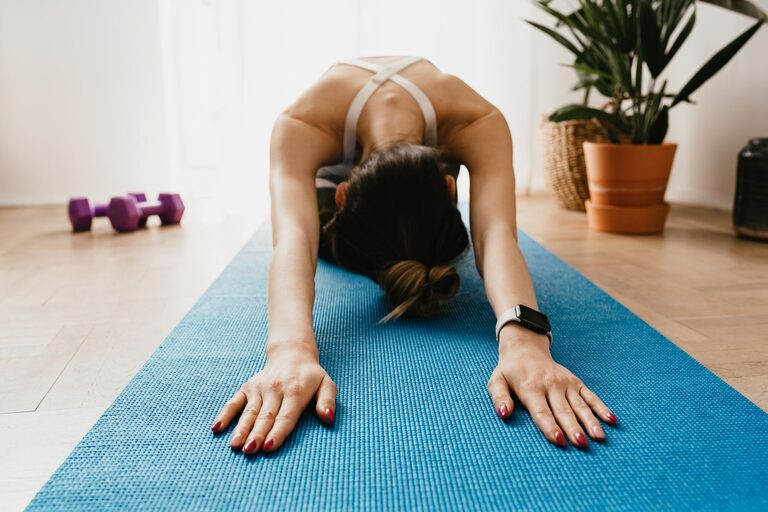

Stretching is a simple yet powerful way to enhance your overall physical health and well-being. Whether you’re new to fitness or just looking for a gentle way to stay active, stretching at home can help improve flexibility, reduce muscle tension, and boost circulation. This beginner’s guide will walk you through the basics of stretching, including tips and routines you can do without any special equipment.
Why Stretching Matters
Stretching isn’t just for athletes or gym enthusiasts. It benefits everyone by:
– Increasing your range of motion
– Preventing injuries
– Reducing muscle stiffness and soreness
– Improving posture and balance
– Promoting relaxation and stress relief
Incorporating stretching into your daily routine can help you move more comfortably and reduce the risk of muscle strains.
When and How to Stretch Safely
To get the most out of your stretching routine, it’s important to know when and how to stretch properly.
Best Time to Stretch
– After Warming Up: Stretching cold muscles can lead to injury. Try gentle movement or a light warm-up (like walking or marching in place) for 5–10 minutes before stretching.
– After Exercise: Post-workout stretching helps relax muscles and prevent stiffness.
– Anytime for Relaxation: Stretching before bed or during breaks at work can relieve tension and improve comfort.
Stretching Tips for Beginners
– Hold each stretch for 15 to 30 seconds. Avoid bouncing or jerky movements.
– Stretch to a point of mild tension but never pain.
– Breathe normally and don’t hold your breath.
– Focus on smooth, slow movements.
Basic Stretching Routine for Beginners
Here is a simple routine targeting major muscle groups. Aim to do these stretches at least 3 times a week, or daily if possible.
1. Neck Stretch
– Sit or stand up straight.
– Slowly tilt your head to one side, bringing your ear toward your shoulder.
– Hold for 20 seconds, then switch sides.
2. Shoulder Stretch
– Bring your right arm across your body.
– Use your left hand to gently press your right arm toward your chest.
– Hold for 20 seconds, then switch arms.
3. Chest Stretch
– Stand tall and clasp your hands behind your back.
– Straighten your arms and gently lift your chest.
– Hold for 20 seconds.
4. Upper Back Stretch
– Extend your arms in front of you at shoulder height.
– Interlock your fingers and round your upper back, pushing your hands forward.
– Hold for 20 seconds.
5. Side Stretch
– Stand with feet hip-width apart.
– Raise your right arm overhead and lean gently to the left.
– Hold for 20 seconds, then switch sides.
6. Hamstring Stretch
– Sit on the floor with your right leg extended and your left leg bent.
– Reach toward your right toes while keeping your back straight.
– Hold for 20 seconds, then switch legs.
7. Quadriceps Stretch
– Stand holding a chair or wall for balance.
– Bend your right knee and grab your right ankle, pulling it toward your buttocks.
– Keep your knees close together.
– Hold for 20 seconds, then switch legs.
8. Calf Stretch
– Stand facing a wall, place your hands on it at shoulder height.
– Step your right foot back and press your heel into the floor.
– Keep your back leg straight.
– Hold for 20 seconds, then switch legs.
Creating a Stretching Habit
Consistency is key to seeing the benefits of stretching.
– Set a regular time: Morning, evening, or breaks during the day.
– Use reminders: Set alarms or place notes to encourage daily stretching.
– Keep it simple: Even 5–10 minutes is better than none.
– Listen to your body: Progress gradually and adjust stretches as needed.
Additional Tips for Stretching at Home
– Wear comfortable clothing that allows full movement.
– Use a yoga mat or soft surface for floor stretches.
– Avoid distractions such as phones or TV to focus on your body.
– Consider following guided videos for variety and motivation.
When to Get Professional Advice
If you experience sharp pain, swelling, or discomfort during stretching, stop immediately. For existing injuries, chronic pain, or health conditions, consult a healthcare provider or qualified fitness professional before starting a new stretching routine.
—
Stretching is an accessible and enjoyable way to take care of your body at home. With just a few minutes each day, you can enhance your flexibility, reduce muscle tightness, and feel more comfortable in your daily activities. Start slow, be consistent, and enjoy the benefits of a more flexible you!