
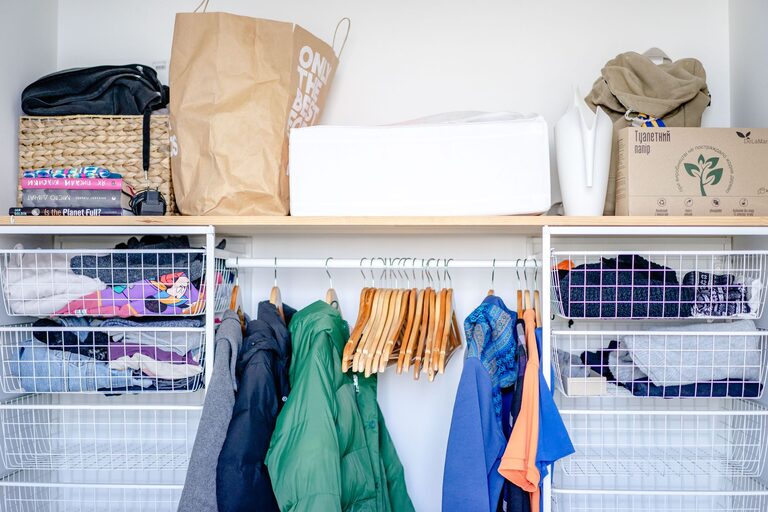

Storing seasonal clothes efficiently can make a big difference in keeping your home organised and your wardrobe ready to wear all year round. Whether you’re packing away winter coats or summer dresses, having a system in place helps protect your clothes and maximizes your storage space. In this blog post, we’ll walk you through easy methods and practical tips to store your seasonal clothes efficiently, so you can enjoy a clutter-free closet.
Why Store Seasonal Clothes Properly?
When clothes are stored incorrectly, they can become wrinkled, damaged, or develop unpleasant smells. Seasonal clothes often spend months untouched, making proper storage essential to maintain their quality. Efficient storage not only protects your garments but also frees up immediate closet space for the current season’s wardrobe.
Preparing Clothes for Storage
Before you pack away your seasonal items, take a few steps to prepare them:
1. Clean Everything
Make sure your clothes are clean and completely dry. Dirt and oils can attract moths or cause stains over time. Launder or dry clean items as appropriate.
2. Repair and Sort
Check for loose buttons, tears, or missing zippers and fix them before storing. Sort your clothes by type or frequency of use for easier access when the next season arrives.
3. Choose Storage Containers Wisely
Opt for breathable storage options like cotton garment bags or fabric bins for natural fibres, and airtight plastic containers for synthetic materials. Avoid plastic bags as they can trap moisture and cause mildew.
Best Storage Solutions for Seasonal Clothes
1. Vacuum-Sealed Bags
These bags compress clothes by removing air, saving considerable space. They’re ideal for bulky items like winter coats and sweaters but should be used carefully, as some delicate fabrics can get damaged.
2. Clear Plastic Bins
Stackable and transparent bins help you see what’s inside without opening each one. Use bins with secure lids to protect clothes from dust and pests.
3. Hanging Garment Bags
For dresses, suits, and coats, garment bags keep your clothes hanging neatly and protected from dust. Choose breathable fabric bags to prevent moisture buildup.
4. Under-Bed Storage
Utilize the space under your bed with flat storage boxes designed for clothes. This is a great option if closet space is limited.
Tips for Organizing Your Stored Clothes
Label Everything
Use clear labels on bins and bags to identify contents without opening them. This saves time when you need to swap out seasonal clothing.
Store in a Cool, Dry Place
Avoid storing clothes in damp basements or hot attics. Choose a cool, dry area to prevent mould and fabric deterioration.
Add Natural Fresheners
Place cedar blocks or lavender sachets in storage bins to keep clothes smelling fresh and deter pests naturally.
Avoid Overpacking
Don’t cram clothes tightly into storage containers. Clothes need some space to breathe to avoid wrinkles and crease damage.
Seasonal Rotations and Maintenance
Once your clothes are stored, plan to rotate your wardrobe seasonally. When swapping out what you wear, take a moment to inspect stored garments for any damage or moisture. Give them a quick air-out if needed before putting them back.
Additional Storage Hacks
– Use scarves or old sheets to wrap delicate items for added protection.
– Fold knitwear carefully to prevent stretching; avoid hanging heavy sweaters.
– Store shoes in clear boxes or shoe bags to keep them dust-free.
– Keep frequently used accessories accessible in smaller bins or drawer organisers.
Conclusion
Efficiently storing seasonal clothes is about preparation, choosing the right containers, and keeping your storage space organized and clean. By following these simple tips, you’ll protect your garments, save space, and enjoy a hassle-free wardrobe switch each season. A little effort now means your clothes will look better and last longer, making it easier to stay organized year-round.
Happy organising!